
The Department of Horticulture and Landscape Design is one of the cornerstone academic units within the College of Agricultural Engineering Sciences at Salahaddin University-Erbil. Established with the goal of addressing the growing need for sustainable green spaces and food production systems, the department plays a vital role in shaping professionals capable of improving urban and rural environments through scientific, aesthetic, and environmentally conscious practices.
Our department offers a dynamic and interdisciplinary academic program that blends art, science, and technology. Students are trained in key areas such as ornamental plant production, landscape design, greenhouse management, fruit and vegetable cultivation, seed production and technology, soil and water conservation, and environmental sustainability. Through a balanced combination of classroom instruction, laboratory work, design studios, and field training, students gain both theoretical knowledge and practical skills.
We currently offer students to study comprehensive four-year Bachelor of Science (B.Sc.), M.Sc. and Ph.D. programs in specialized areas of horticulture and landscape design. Our curriculum is designed to prepare graduates for careers in public and private sectors including municipal landscaping, orchards, agricultural extension, nursery and greenhouse operations, park and recreation planning, and environmental consultancy.
The department also supports research initiatives that contribute to the development of sustainable agricultural and landscape practices in the Kurdistan Region and beyond. With a commitment to innovation, environmental stewardship, and community engagement, we strive to produce graduates who are not only technically skilled but also socially and ecologically responsible.
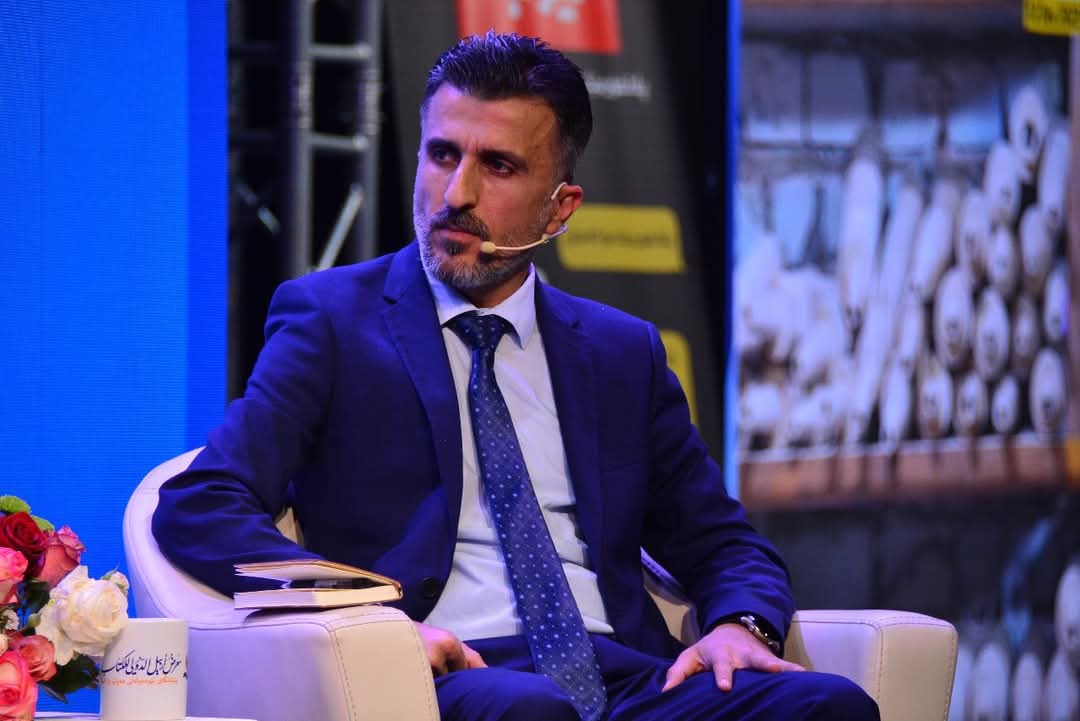
Dr. Arshad Abdulkhalq Yaseen
I have dedicated my academic and professional life to the advancement of agricultural sciences. My academic journey began when I achieved my Bachelor of Science in Plant Production from Salahaddin University-Erbil in 2009, ranking 3rd among 58 students in my department.
In pursuit of advanced knowledge and international experience, I obtained a Master’s degree in crop production and Horticulture at Essex University in the United Kingdom in 2013. Continuing my academic journey, I could successfully complete my PhD in 2022 at the University of Debrecen in Hungary, where I graduated with excellent.
My primary interest lies in research and hands-on work within the field of organic agriculture, where my goal is to contribute to sustainable and environmentally friendly farming practices as well as crop production and horticulture. Beyond My academic pursuits, I enjoy swimming and cycling, which reflect my active and balanced lifestyle.
ORCiD ID:
https://orcid.org/0000-0002-9389-8352
The mission of the Department of Horticulture and Landscape Design is to advance knowledge, education, and innovation in the fields of horticultural science and landscape design. The department is committed to producing highly skilled graduates equipped with scientific, technical, and creative expertise to meet the needs of sustainable agriculture, environmental stewardship, and urban green space development.
Through a combination of research, teaching, and community engagement, the department aims to:
We strive to contribute to food security, environmental health, and the quality of life through excellence in horticulture and landscape design.
VisionTo be a leading centre of excellence in horticultural science and landscape design, recognized locally and internationally for innovative research, high-quality education, and impactful community service.
The department envisions a future where sustainable horticultural practices and creative landscape solutions contribute to environmental resilience, food security, and the enhancement of human well-being. By cultivating knowledge, creativity, and responsibility, we aim to shape future leaders and professionals who will transform green spaces and agricultural systems for a healthier and more sustainable world.
Graduates of the Department of Horticulture and Landscape Design will:
- Apply scientific principles in horticultural practices, including plant propagation, crop production, and soil management.
- Design aesthetically pleasing and sustainable landscapes that align with environmental, cultural, and functional needs.
- Operate and manage horticultural systems, such as greenhouses, nurseries, and irrigation systems, with efficiency and innovation.
- Utilize modern tools and technologies, including computer-aided design (CAD), GIS, and remote sensing, in landscape planning and analysis.
- Conduct research and problem-solving in the fields of plant science, landscape design, and urban greening.
- Promote environmental awareness and advocate for green space development and biodiversity conservation.
- Demonstrate effective communication, teamwork, and leadership skills in professional and community-based horticultural projects.
- Pursue lifelong learning and stay current with trends and innovations in horticulture and landscape design.
Degree Program Overview
Department of Horticulture and Landscape design provides undergraduate programs in vegetable, fruit, ornamental plant and landscape sciences. The curriculum integrates foundational theoretical knowledge with extensive hands-on training in plant cultivation, landscape planning, and environmental stewardship. Graduates are well-prepared to pursue advanced studies and professional careers in areas such as landscape gardening, nursery and greenhouse management, urban greening, public and private garden design, and environmental consultancy.
Program Structure
Both degree programs are four-year, full-time Bachelor of Science (B.Sc.) programs structured according to the European Credit Transfer and Accumulation System (ECTS). Each academic year is divided into two semesters, with students completing 30 ECTS credits per semester.
- Years 1 and 2 focusing on fundamental courses in biology, chemistry, and essential skills (e.g., computer and academic skills).
- Years 3 and 4 encompass electives, research projects, and specialized and advanced courses customized to each program.
Career Readiness and Development
The programs emphasize ethical and sustainable practices, technical skills, and practical field experience where the students get benefit from:
- Practical training in nurseries, greenhouses, and landscape design studios using modern tools and techniques.
- Real-world experience through internships with agricultural companies, landscaping firms, municipalities, and environmental organizations.
- Academic advising and career development services that support employment or further education.
Graduates are well-prepared for careers in landscape design, urban and rural planning, environmental consulting, nursery and greenhouse management, park and garden design, and sustainable agriculture initiatives. The department’s commitment to educational excellence, innovation, and community service ensures that students are equipped to contribute meaningfully to ecological sustainability and the development of green spaces in both public and private sectors.
Postgraduate Studies
The Department of Horticulture and Landscape Design provides advanced postgraduate programs that seek to expand scientific knowledge, stimulate research innovation, and cultivate specialized competence in horticultural sciences and gardening engineering. The main programs are:
- Master of Science (M.Sc.) in Horticulture and Landscape Design The M.Sc. program provides students with in-depth theoretical knowledge and hands-on research experience in areas such as advanced plant propagation, sustainable landscape design, plant physiology, and urban green space planning. The program emphasizes both coursework and original research to prepare graduates for careers in academia, environmental planning, landscape design, public and private sector horticulture, and research institutions.
Focus Areas:
- Vegetable science
- Fruit Science
- Floriculture
- Urban planning
- Landscape Design
ECTS Distribution:
The program is structured to include 120 ECTS over two academic years:
- Coursework (60 ECTS): Advanced topics in biology tailored to the student's area of specialization.
- Research Thesis (60 ECTS): An independent research project culminating in a thesis defense.
Learning Outcomes:
Graduates of the M.Sc. program will:
- Demonstrate advanced knowledge in horticultural sciences, plant biology, and sustainable landscape design.
- Design, implement, and analyze scientific research in horticulture and landscape architecture using appropriate experimental and analytical methodologies.
- Effectively communicate research findings and technical information through professional written reports, academic publications, and oral presentations.
- Apply critical and creative thinking to address complex challenges in plant production, landscape planning, environmental sustainability, and urban greening.
- Work both independently and collaboratively in academic, research, and professional environments to contribute to innovative solutions in the field.
- Doctor of Philosophy (Ph.D.) in Horticulture and Landscape Design
- Plant physiology and biotechnology
- Sustainable landscape design and urban greening
- Environmental stress management in horticulture
- Floriculture and ornamental plant production
- Soil-plant-water interaction and ecological restoration
- Advances in Post-Harvest Technology
- Advanced Coursework (30 ECTS): Topics tailored to support the research project.
- Research and Dissertation (150 ECTS): Original research culminating in a dissertation and defense.
- Conduct independent, original research that contributes significantly to the scientific advancement in horticulture, plant sciences, and sustainable landscape design.
- Demonstrate deep expertise in a specialized area such as plant biotechnology, environmental landscape planning, or advanced horticultural systems.
- Publish high-quality research findings in indexed, peer-reviewed journals (Scopus, Web of Science, etc.).
- Apply advanced problem-solving and critical-thinking skills to address complex challenges in horticultural production, ecological design, and environmental management.
- Lead multidisciplinary research projects and provide mentorship to graduate and undergraduate students in academic or research settings.
- Bachelor’s degree in Horticulture or a closely related field.
- Minimum academic performance by university regulations.
- Proficiency in English (demonstrated through tests like IELTS or TOEFL) or equivalent English courses.
- Successful performance in the entrance exam and interview.
- Master’s degree in Horticulture or a related discipline.
- Proven research experience, preferably with publications in scientific journals.
- Submission of a detailed research proposal aligned with the department’s expertise.
- Proficiency in English (demonstrated through tests like IELTS or TOEFL) or equivalent English courses.
- Successful performance in the entrance exam and interview.
The Ph.D. program in Horticulture and Landscape Design is research-intensive, aiming to produce highly skilled scholars and specialists who contribute original and impactful research to the advancement of horticultural science, landscape sustainability, and environmental design.
Specialization Areas:
Ph.D. students collaborate closely with faculty mentors to pursue advanced research in focused areas such as:
ECTS Distribution:
The Ph.D. program requires 180 ECTS, typically completed over three to four years:
Learning Outcomes:
Graduates of the Ph.D. program will:
Admission Requirements
M.Sc. Program
Ph.D. Program
Research and Facilities
The department has a practical research field to conduct research works and laboratories, research tools, and computational resources to support postgraduate students’ academic journeys. Collaborative opportunities with national and international institutions are also available, encouraging interdisciplinary research and innovation.
The postgraduate programs are designed to empower students to become leaders in their respective fields, whether in academia, industry, or public service and contribute meaningfully to advancing horticulture sciences.
Program learning outcome
Graduates from the Department of Horticulture and Landscape Design at Salahaddin University-Erbil will achieve the following learning outcomes upon successful completion of the undergraduate or postgraduate programs:
- Comprehensive Knowledge Demonstrate a broad and in-depth understanding of core horticultural and landscape design principles, including plant biology, soil science, plant propagation, landscape planning, sustainable agriculture, and environmental design. This includes knowledge of plant growth, development, and ecological interactions within natural and designed environments.
- Critical Thinking and Problem-Solving Apply critical thinking and scientific reasoning to analyze horticultural and environmental challenges. Design and evaluate solutions for issues such as plant health, climate resilience, soil degradation, and sustainable urban landscaping.
- Field and Technical Proficiency Establish strong competency in field and laboratory practices, including the use of modern horticultural tools, landscape design software, greenhouse and nursery management techniques, and environmental monitoring technologies.
- Ethical and Professional Conduct Uphold ethical and environmental responsibility in horticultural practices and landscape development. Demonstrate awareness of biosafety, sustainability, and professional integrity in academic, research, and field settings.
- Effective Communication Effectively communicate scientific and technical information related to horticulture and landscape design through written reports, project proposals, visual presentations, and professional dialogue with clients, communities, and multidisciplinary teams. Depending on the taken courses.
- Career Readiness Prepare for careers in landscape gardening, urban greening, nursery and greenhouse management, environmental consulting, sustainable agriculture, and public and private sector planning. Graduates will be equipped to design, manage, and maintain functional, aesthetic, and ecologically responsible green spaces.
- Lifelong Learning and Adaptability Engage in lifelong learning to keep pace with emerging trends in plant sciences, sustainable design, and environmental technologies. Demonstrate adaptability to new tools, practices, and societal needs in the field of horticulture and landscape design.
- Research Skills Conduct independent and collaborative research by formulating hypotheses, implementing experimental or design-based investigations, analyzing results, and contributing to academic and applied knowledge in the field.
By achieving these outcomes, graduates of the Department of Horticulture and Landscape Design will be well-prepared to address agricultural and environmental challenges, promote sustainable development, and contribute meaningfully to the greening and beautification of urban and rural landscapes.
B.Sc. Course Catalog
First Semester
- SU1003 Kurdish Studies (3 ECTS) •
- SU1004 English for University students (3 ECTS)
- AGHL113 General Zoology (6 ECTS)
- SU1002 Academic Skills (6 ECTS)
- AGHL115 Analytical Chemistry (6 ECTS)
- AGHL116 Engineering Drawing (6 ECTS)
Second Semester
- AGHL121 Surveying (6 ECTS)
- SU1005 English for specific purpose (3 ECTS)
- AGHL123 General Botany (6 ECTS)
- SU1001 Computer skills (3 ECTS)
- AGHL125 Principles of Statistics (6 ECTS)
- AGHL126 Principles of Agricultural Science (6 ECTS)
Third Semester
- AGHL231 Seed science and technology (6 ECTS)
- AGHL232 Soil fertility and Plant nutrition (6 ECTS)
- AGHL233 Horticulture plant Ecology (6 ECTS)
- AGHL234 Horticulture Equipment &Mechanization(4 ECTS)
- AGHL235 AutoCAD (4 ECTS)
- AGHL236 Elective (1) (4 ECTS)
Fourth Semester
- AGHL241 Plant Taxonomy (6 ECTS)
- AGHL242 Graphic Design (6 ECTS)
- AGHL243 Genetic and Plant Breeding (6 ECTS)
- AGHL244 Irrigation Engineering system (4 ECTS)
- AGHL245 Controlled Environment Agriculture (CEA)(6 ECTS) <liAGHL246 Elective (2) (2 ECTS)
Fifth Semester
- AGHL351 Evergreen fruits (6 ECTS)
- AGHL352 Cool Season Vegetables (6 ECTS)
- AGHL353 Fundamentals of Ornamental Plants (6 ECTS)
- AGHL354 Agricultural Experimental Design and Analysis(4 ECTS)
- AGHL355 Landscape Gardening (6 ECTS)
- AGHL356 Elective (3) (2 ECTS)
Sixth Semester
- AGHL361 Deciduous fruits (6 ECTS)
- AGHL362 Warm Season Vegetables (6 ECTS)
- AGHL363 Ornamental Plant Technology (6 ECTS)
- SU3001 Research Methodology (3 ECTS)
- AGHL365 Field training (3 ECTS)
- AGHL366 Elective (4) (6 ECTS)
Seventh Semester
- AGHL471 Postharvest Technology (5 ECTS)
- AGHL472 Plant physiology (6 ECTS)
- AGHL473 Medicinal and Aromatic Plants (5 ECTS)
- AGHL474 Horticulture Pest management (5 ECTS)
- AGHL475 Research Project (6 ECTS)
- AGHL476 Elective (5) (3 ECTS)
Eighth Semester
- AGHL481 Viticulture and Berry Production (6 ECTS)
- AGHL482 Organic and Sustainable Agriculture (6 ECTS)
- AGHL483 Landscape Design (6 ECTS)
- AGHL484 Plant tissue culture and Biotechnology (6 ECTS)
- AGHL485 Research Project (3 ECTS)
- AGHL486 Elective (6) (3 ECTS0)
Admissions
The Department of horticulture and Landscape Design offers two types of study options for prospective students, ensuring accessibility and flexibility based on individual circumstances:
- Zankoline (government-funded) Study
- Description:This option provides free tuition fees for students who meet the eligibility criteria and are accepted through the general centralized admission system, known as "Zancoline."
- Eligibility:
- Applicants must meet the academic requirements of the Ministry of Higher Education and Scientific Research.
- Selection is competitive and based on high school scores, particularly in scientific subjects.
- Benefits:
- Exemption from tuition fees.
- Access to complete university services and facilities.
- Parallel Study (Self-Funded)
- Description: This option allows students who do not secure a Zankoline seat to pursue their studies by paying a tuition fee.
- Tuition Fee: ( ) IQD per year.
- Eligibility:
- Students must meet the minimum academic requirements for admission.
- This option provides additional opportunities for students to catch up on the Zankoline criteria.
- Benefits:
- Access to the same high-quality education, resources, and facilities as Zancoline students.
- Students can pursue their academic goals without being limited by centralized admission quotas.
Admission Requirements for Both Tracks
- Academic Qualifications:
- Completion of high school.
- Minimum GPA as determined by the Ministry of Higher Education.
- Application Process:
- Apply through the centralized admission system for Zankoline
- Submit required documents, including transcripts, identification, and certificates.
- Language Proficiency:
- Basic proficiency in English, as several courses are delivered in English.
- Kurdish language proficiency is also beneficial.
Graduate Employability
The Department of Horticulture and Landscape Design is committed to preparing graduates at the Bachelor’s, Master’s, and Doctoral levels with the scientific knowledge, technical skills, and practical experiences necessary for successful careers in the fields of horticulture, landscape design, environmental sustainability, and agricultural development. Graduates are equipped to contribute meaningfully to both the public and private sectors, academia, and industry—shaping green environments and promoting sustainable agricultural practices.
Bachelor of Science (B.Sc.) in Horticulture and Landscape Design
Graduates of the B.Sc. program possess a strong foundation in plant science, design principles, and environmental stewardship, enabling them to pursue diverse and rewarding career paths:
Career Paths:
- Horticultural Enterprises: Work in nurseries, greenhouses, or production farms focusing on fruits, vegetables, ornamental plants, and herbs.
- Landscape Design and Gardening Firms: Assisting in planning, designing, and implementing sustainable green spaces and urban landscapes.
- Parks and Recreation Departments: Managing and maintaining public parks, gardens, and recreational areas.
- Agricultural Extension Services: Advising farmers and gardeners on best horticultural practices.
- Environmental NGOs and Governmental Agencies: Involvement in urban greening, reforestation, and environmental restoration projects.
- Education and Training: Teaching in secondary schools or vocational training centers.
- Skills for Employability:
- Practical skills in plant propagation, soil management, and irrigation techniques.
- Design competencies using manual and digital tools for landscape planning.
- Knowledge of sustainable and ecological practices in horticulture.
- Communication and teamwork skills for working with diverse stakeholders.
Master of Science (M.Sc.) in Horticulture and Landscape Design
M.Sc. graduates bring advanced expertise in plant science, landscape planning, and research methodologies. They are equipped to address modern challenges such as food security, climate adaptation, and green urban planning.
Career Paths:
- Research Institutions and Universities: Conducting applied research in horticulture, plant breeding, or sustainable landscaping.
- Urban Planning and Environmental Consultancy: Designing and evaluating green infrastructure projects.
- Horticultural Industries: Leadership roles in crop production, agribusiness management, and quality control.
- Government and Development Programs: Supporting rural development, environmental management, and sustainable agriculture policies.
- Landscape Management: Supervising large-scale green projects in residential, commercial, and public sectors.
Skills for Employability:
- Research design and data analysis in agricultural and landscape contexts.
- Strategic thinking for designing climate-resilient and water-efficient landscapes.
- Project management and leadership in multi-disciplinary teams.
- Innovation in plant production systems and environmental solutions.
Doctor of Philosophy (Ph.D.) in Horticulture and Landscape Design
Ph.D. graduates are distinguished by their depth of knowledge, innovation, and leadership in solving complex challenges at the intersection of plant science, landscape architecture, and sustainability.
Career Paths:
- Academia: University professorships, research leadership, and graduate supervision.
- Industry and Agribusiness: Senior research roles, innovation management, and product development.
- Policy and Planning: Influencing agricultural, environmental, and urban development policies at national and international levels.
- Research Organizations:Leading initiatives in horticultural science, biodiversity, and ecosystem restoration.
- Entrepreneurship: Founding startups in urban farming, landscape technology, or sustainable design consultancy.
Skills for Employability:
- Expertise in advanced horticultural and ecological research methods.
- Ability to lead interdisciplinary projects addressing global environmental issues.
- Proficiency in scientific publishing and academic networking.
- Visionary thinking and innovation in sustainable land-use planning.
Academic Advising
The Department of Horticulture and Landscape Design is committed to supporting students throughout their academic journey by offering robust and accessible academic advising services. These services are designed to ensure that students receive comprehensive guidance to reach their educational, professional, and personal development goals while maintaining academic excellence.
Academic Advising Services
- Individualized Advising Sessions Each student is paired with an academic advisor who offers personalized guidance tailored to the student’s interests in horticulture, landscape design, plant science, and environmental aesthetics. Advisors help students create academic plans that align with their career aspirations in fields such as ornamental horticulture, garden design, urban landscaping, nursery management, and green space planning.
- Course Selection and Registration Support Advisors guide students in selecting appropriate and sequential courses that meet program requirements and personal goals. This includes helping students avoid registration conflicts and ensuring prerequisites are fulfilled for specialized courses such as landscape planning, turf management, or greenhouse technology.
- Career Planning and Development Advisors provide insights into career opportunities across the public and private sectors, including landscaping firms, botanical gardens, municipal planning, and agricultural consultancy. Undergraduate and graduate students receive support in identifying internships, final-year project topics, and postgraduate options related to horticulture and sustainable landscape practices.
- Monitoring Academic Performance Regular academic progress reviews allow advisors to detect potential academic challenges early. Support strategies, including tutoring, time management workshops, and study group recommendations, are implemented to help students stay on track toward academic success.
- Workshops and Seminars The department organizes periodic workshops focusing on technical skills, research methodology, sustainable design practices, pest and disease control, and climate-resilient landscaping. Guest speakers from industry, research institutions, and governmental organizations provide practical insights that connect theory to real-world horticultural applications.
- Mentorship Programs Senior students and department alumni may serve as mentors to junior students, offering support and sharing experiences in areas like entrepreneurship in horticulture, designing public parks, or working in environmental NGOs. This peer support system strengthens student confidence and helps with informed decision-making.
Internship Opportunities
The Department of Horticulture and Landscape Design encourages professional growth and hands-on experience by offering a wide range of internship opportunities. These internships help students connect academic knowledge with real-world applications in horticulture, landscape design, and environmental sustainability.
Benefits of Internships
Practical Skill Development: Internships enable students to apply their classroom knowledge in real-world horticultural and landscape design settings, enhancing their technical, design, and fieldwork skills.
- Career Exploration: Students gain exposure to various sectors within horticulture and landscape architecture, helping them identify and pursue suitable career paths.
- Professional Networking: Internships offer the chance to build connections with landscape architects, horticulturists, urban planners, agricultural engineers, and other industry professionals.
- Enhanced Employability: Graduates with internship experience are more competitive in the job market, as they demonstrate readiness for professional challenges.
- Academic Credit: In certain cases, internships can contribute toward academic credit, enriching the overall learning experience.
Types of Internship Opportunities
- Public and Private Landscape Design Firms: Students can gain experience in landscape planning, garden design, CAD-based drafting, and project management.
- Botanical Gardens and Arboretums: Interns work on plant identification, conservation programs, garden maintenance, and educational tours.
- Municipalities and Urban Planning Departments:These internships focus on green space planning, public park development, and environmental beautification initiatives.
- Agricultural Extension Services:Opportunities in these settings include working with farmers, conducting workshops, and promoting sustainable horticultural practices.
- Greenhouses and Nurseries: Students engage in propagation, plant care, pest management, and commercial production of ornamental and edible plants.
- Environmental and Ecological Organizations: Interns contribute to habitat restoration, ecological landscaping, and native plant preservation projects.
- Educational Institutions: Internships in schools, colleges, and training centers offer experiences in teaching, horticulture demonstration, and community outreach.
How to Apply for Internships
- Advising Support: Academic advisors assist students in identifying internships aligned with their academic focus and career aspirations.
- Department Partnerships: The Department of Horticulture and Landscape Design collaborates with public and private sector organizations to facilitate internship placements.
- Application Process: Students usually submit a resume, cover letter, and academic transcript to potential hosts. Some positions may require a portfolio or interview.
- Timing: Internships are often undertaken during summer or integrated into the final-year curriculum as part of field training or capstone projects.
Career Services
The Department of Horticulture and Landscape Design is committed to providing a comprehensive suite of career services that support students in achieving their professional goals. Whether students plan to pursue graduate education, enter the workforce, or explore entrepreneurship, the department equips them with the tools and guidance necessary to succeed in the diverse fields of horticulture, landscaping, and environmental design.
Key Career Services Offered
- Career Counseling and Advice: Students benefit from one-on-one career counseling tailored to their interests in horticulture, landscape architecture, urban greening, environmental planning, and related sectors. Advisors provide guidance on career planning, graduate studies, and job search strategies.
- Workshops and Seminars: The department hosts career development events on topics such as resume and portfolio writing, interview techniques, professional networking, freelance opportunities in landscape design, and trends in sustainable horticulture.
- Job Placement Assistance: In collaboration with landscape firms, agricultural institutions, environmental agencies, and urban planning departments, the department helps students connect with employers through job postings, internships, and apprenticeship programs.
- Career Fairs and Networking Events: Annual career fairs and professional meetups allow students to engage directly with potential employers, alumni, and industry leaders. These events help students explore various career paths and build valuable connections.
- Graduate School Guidance: For students pursuing higher education (M.Sc. or Ph.D.), the department offers support with identifying suitable programs, preparing personal statements, and developing research proposals related to horticulture, landscape architecture, and environmental sciences.
- Entrepreneurship Support: Students interested in launching their own nurseries, landscape design studios, or agro-businesses receive support in business planning, accessing funding, and innovation through partnerships with university entrepreneurship centers and local incubators.
Benefits of Career Services
- Enhanced Employability: Students gain practical skills, professional insights, and job search readiness, making them competitive in the horticulture and design job market.
- Tailored Guidance:Personalized advising ensures that each student receives support aligned with their unique professional aspirations.
- Industry Insights: Students stay updated with evolving trends, technologies, and expectations in horticultural and landscape design careers.
- Confidence and Readiness: Through practical training, mentorship, and exposure to real-world scenarios, students graduate with confidence and clarity about their career paths.