
Fish Health and Production
The Department of Fish Resources and Aquatic Animals was opened in 2014 for the first time in the College of Agricultural Engineering Sciences of Salahaddin University - Erbil. This department is the only department in all universities in the Kurdistan Region and the second department in Iraq.
The Fish Resources and Aquatic Animals Department is a four-year study that awards a Bachelor of Agriculture in Fish Production. Students learn through a combination of lecture, laboratory, and seminar courses. Required core courses in the sciences include all fields of Microbiology, Medical Microbiology, Biochemistry, and other Life Science courses: Genetics, Cell Biology, Molecular Biology, Physiology, Immunology, Histology, Parasitology, Zoology and Botany.
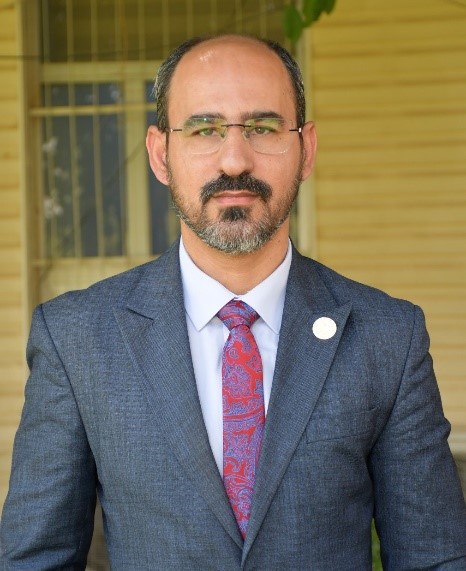
Assist. Prof. Dr. Rebin Aswad Mirza
I gained a PhD degree in July 2015 in Poultry Production and Technology at the University of Plymouth in the UK. I got an MSc degree in Poultry Production and Technology in 2008 at Salahaddin University. I got a BSc in 2003 from the Animal Resources Agriculture College at Salahaddin University in the Erbil, Kurdistan Region of Iraq. I employed in 2003 at the Animal Resources Department in Agriculture College. In 2010, I started as a lecturer in the Animal Resources Department and gave a lecture to undergraduate students and now to the postgraduate students. I have developed a strong passion for teaching and mentoring students in the field of poultry production. My research interests include sustainable farming practices and the enhancement of poultry health, which I incorporate into both my lectures and practical sessions. Now, I am head of the Fish Resources and Aquatic Animals department.
The Department of Fish Resources is committed to using agricultural, biological and biomedical sciences to benefit the community, support creative research, and deliver top-notch instruction. Our goal is to produce graduates who are judged capable of using their theoretical knowledge and practical skills to address regional and worldwide challenges in fish production and health, advancing science and enhancing society in the process.
VisionTo be a regional leader in fish resources and research, distinguished by academic excellence, innovation, and community engagement. Sustainable fisheries management is crucial for maintaining healthy marine ecosystems and ensuring that fishing remains a viable livelihood for communities dependent on these resources. By implementing comprehensive strategies and fostering collaboration among all stakeholders, it is possible to achieve a balance that safeguards marine life while supporting economic and social objectives. Best practices in managing fish stocks, reducing overfishing, and improving fishery governance.
Graduates from the Department of Fish Resources and Aquatic Animals will:
The Learning Outcomes of a Fish Resources Department typically align with the goals of fisheries science, aquatic resource management, and sustainable development. These outcomes they generally focus on biological, ecological, technological, and policy aspects related to fish and aquatic resources.
The common Learning Outcomes for a Fish Resources Department are Understand the biology and ecology of fish and aquatic organisms, including life cycles, habitat requirements, and behaviours. Gain foundational knowledge in aquatic ecosystems, including freshwater and marine environments. Comprehend fish taxonomy and systematics, enabling identification and classification of fish species. Acquire skills in fish farming (aquaculture) and fishery technology, including hatchery management and feed formulation. Demonstrate the ability to conduct field and laboratory research on fish health, population dynamics, and water quality. Use modern tools and techniques for fish stock assessment, sampling, GIS mapping, and data analysis.
In order to improve educational opportunities, advance research, and enable successful community outreach and real-world applications, the Department of Fish Resources actively cultivates broad collaborations and strategic partnerships at all levels. There are some partnerships with:
- Academic & Research Institutions, and the purpose of this collaboration is for scientific data, research collaboration, and technology development.
- Private Sector & Aquaculture Companies and the purpose of this collaboration for Innovation in aquaculture, value chain development, traceability, hatchery developers and seafood exporters, and the benefits: Promotion of sustainable practices, technology transfer and job creation, and economic development and investment opportunities.
- Local Fishermen’s Cooperatives & Communities: the purpose of this collaboration is for community-based resource management and data collection. Benefits: Localized knowledge integration, empowerment of small-scale fishers, and co-management models for sustainability.
Undergraduate Study
The Fish Health and Production Department typically offers degree programs that focus on the study of aquatic animals, specifically fish, their health, management, breeding, and the production systems used in aquaculture. This is a specialized area within the broader fields of Aquatic Science, Health care of Fish, Marine Biology, and Fisheries Management.
Here’s a general overview of the key elements in a degree program from this department:
- Degree Title
- Bachelor of Agriculture (B.Sc.) in Fish Health and Production
- Aquaculture: Study of fish farming techniques, fish breeding, pond management, water quality control, and sustainable production methods.
- Fish Health:Focus on diagnosing and managing diseases in fish populations, including pathogens, parasites, and environmental stressors that affect aquatic animals.
- Fish Nutrition: Study of the dietary needs of farmed fish, including feed formulation and nutrition management to optimize health and growth.
- Fish Physiology: Understanding the biology of aquatic animals, including their anatomy, reproductive systems, and how they respond to various environmental conditions.
- Water Quality Management: Techniques for monitoring and managing water parameters (temperature, oxygen levels, pH, etc.) in aquaculture systems to ensure optimal health and productivity.
- Aquatic Environmental Management: Study of the impact of aquaculture on local ecosystems, as well as best practices for mitigating negative effects on biodiversity and water resources.
- Fish Breeding and Genetics: Understanding the genetic basis of fish reproduction, breeding programs, and genetic selection to improve fish stock quality.
Key Skills of the Fish Health and Production program include:
- Fish Production: Developing the ability to produce the high quality of fish products.
- Fish Disease: Developing the ability to prevent diseases in fish.
- Aquaculture Systems Design: Knowledge in designing and optimizing aquaculture systems (such as recirculating aquaculture systems, ponds, or cages).
- Research & Data Analysis: Skills in research methods, including how to collect, analyse, and interpret data related to fish health and production.
- Sustainable Practices: Understanding of environmentally sustainable practices in aquaculture and fisheries management.
- Fish Welfare: Study of the ethical treatment of fish and how to promote well-being in farmed and wild populations.
Practical Experience
- Internships and Field Work: Most programs require students to complete internships or fieldwork, where they gain hands-on experience in fish health and production settings such as aquaculture farms, research facilities, or government agencies.
- Laboratory Work: Students may be required to work in laboratories to study fish biology, microbiology, and pathology.
Program Duration
The Fish Health and Production degree programs are four-year, full-time Bachelor of Agriculture (B.Sc.) programs structured according to the European Credit Transfer and Accumulation System (ECTS). Each academic year is divided into two semesters, with students completing 30 ECTS credits per semester.
- Typically, Bachelor's programs in this field 4 years, while
- Master’s programs can take 2 years depending on the institution.
Career Prospects and Growth
The aquaculture industry is growing globally as demand for fish protein increases. With the focus on sustainable practices and healthy production methods, graduates from these programs are in high demand in both public and private sectors. The development of environmentally responsible aquaculture practices, as well as research on fish health, continues to expand job opportunities in the field.
Postgraduate Studies
Postgraduate studies in Fish Health and Production focus on providing advanced knowledge, specialized skills, and research capabilities for professionals aiming to lead and innovate in the fields of aquaculture, fish health management, and sustainable fisheries. These programs are designed for those who have a foundational understanding of fish culture, fish biology, aquaculture, or fish disease and wish to deepen their expertise. Postgraduate studies typically lead to Master's (M.Sc./M.A.) or Doctoral (Ph.D.) degrees.
Postgraduate Program Titles
- Master of Science (M.Sc.) in Fish Health and Production
- M.Sc. in Aquatic Animal Health
- M.Sc. in Aquaculture and Fisheries Management
- Doctor of Philosophy (Ph.D.) in Fish Health and Production
- Ph.D. in Aquaculture Science
- Postgraduate Diploma in Aquaculture or Fish Health (some institutions offer this as a shorter, specialized option)
Program Duration
- Master's Programs (M.Sc.): Typically take 2 years for full-time students.
ECTS Distribution:
The program is structured to include 120 ECTS over two academic years:
- Coursework (60 ECTS): Advanced topics in biology tailored to the student's area of specialization.
- Research Thesis (60 ECTS): An independent research project culminating in a thesis defence.
- Ph.D. Programs: A Ph.D. in this field generally takes 3-4 years, depending on the research project, institution, and the progress of the dissertation work.
ECTS Distribution: The Ph.D. program requires 180 ECTS, typically completed over three to four years:
- Advanced Coursework (30 ECTS): Topics tailored to support the research project.
- Research and Dissertation (150 ECTS): Original research culminating in a dissertation and defence.
Future Trends in the Field
The aquaculture industry is evolving rapidly, driven by the need for sustainable food production and the growing demand for fish as a protein source. Postgraduate students in fish health and production will play a key role in shaping the future of the industry by: Developing more sustainable practices, including resource-efficient aquaculture systems. Innovating with alternative feeds (e.g., algae, insect protein) to reduce dependency on traditional fishmeal. Improving disease resistance and biosecurity in farmed fish. Advancing the use of genetic tools in breeding programs for faster growth, better health, and enhanced environmental adaptability.
Program Learning Outcomes
The Program Learning Outcomes (PLOs) for a Fish Health and Production department typically reflect the core knowledge and skills that students should acquire by the end of their program. These outcomes ensure that graduates are well-prepared to work in the field of aquaculture, fish health management, and fish production. Below are some typical PLOs for this type of department:
- Knowledge of Fish Health and Disease Management
- Demonstrate an understanding of the biology, anatomy, and physiology of fish species commonly farmed in aquaculture.
- Understand the identification, prevention, and management of diseases in fish populations, including parasitic, bacterial, viral, and fungal diseases.
- Apply diagnostic techniques for identifying pathogens in fish, including microscopy, molecular biology, and immunological methods.
- Fish Nutrition and Feeding Management
- Understand the principles of fish nutrition, including the formulation of balanced feeds for different species and life stages.
- Develop feeding strategies that optimize fish growth, health, and reproduction while minimizing environmental impact.
- Understand the importance of water quality in relation to fish health and productivity, including key parameters like oxygen, temperature, pH, and ammonia levels.
- Aquaculture Systems and Fish Production
- Demonstrate proficiency in the design, operation, and management of different aquaculture systems (e.g., open water, recirculating aquaculture systems (RAS), pond-based systems).
- Understand fish breeding and genetics to enhance productivity and disease resistance.
- Understand how to maximize fish production efficiency while maintaining sustainability and minimizing environmental harm.
- Water Quality Management
- Develop skills to monitor and manage water quality in fish production environments to ensure optimal fish health and growth.
- Understand the environmental impact of aquaculture and apply practices that ensure sustainability and reduce pollution (e.g., waste management, water treatment technologies).
- Sustainable Aquaculture Practices
- Understand the principles of sustainable aquaculture, including the ethical considerations and environmental responsibilities associated with fish farming.
- Apply techniques that enhance the sustainability of aquaculture systems, including integrated multi-trophic aquaculture (IMTA) and organic fish farming.
- Fish Health Regulations and Biosecurity
- Demonstrate knowledge of relevant legislation, industry standards, and ethical guidelines governing fish health, production, and environmental impact.
- Develop and implement biosecurity protocols to prevent disease outbreaks and ensure the safety of farmed fish and surrounding ecosystems.
- Research and Problem-Solving
- Apply scientific methods to investigate fish health and production problems, using research to inform decision-making.
- Critically analyse data related to fish health and production, and use statistical methods to draw valid conclusions.
- Fish Welfare and Ethics
- Understand the ethical principles related to fish welfare, including humane handling, breeding, and harvesting practices.
- Apply methods that minimize stress and injury to fish during farming and harvesting.
Fish Health Production Program
First Semester
- Ag1001 – General Zoology (6 ECTS).
- Ag1002 – Engineering Drawing (6 ECTS)
- Ag1003 – Analytical Chemistry (6 ECTS)
- SU1002 – Academic Skills (6 ECTS)
- SU1003 – Kurdish Studies (3 ECTS)
- SU1004 – English for University Students (3 ECTS)
Second Semester
- AgFr2001– Principles of Animal Production (6 ECTS)
- Ag2002 – Surveying (6 ECTS)
- Ag2003 – General Botany (6 ECTS)
- Ag2004 – Principles of Statistics (6 ECTS)
- SU2001 – Computer Skills (3 ECTS) A
- SU2005 – English for Specific Purposes (3 ECTS)
Third Semester
- AgFr3001– Principles of Ichthyology (Core) (6 ECTS)
- AgFr3002 – Fish Taxonomy (Core) (6 ECTS)
- AgFr3003 – Fish Ecology (Core) (6 ECTS)
- AgFr3004 – Principles of Genetic (Core) (3 ECTS)
- AgFr3005 – Biochemistry (Core) (3 ECTS)
- AgFr3006 – Elective 1 (6 ECTS)
- AgFr3007 – Elective 2 (3 ECTS)
Fourth Semester
- AgFr4001 – Limnology (Core) (6 ECTS)
- AgFr4002 – Fish Economy (Core) (6 ECTS)
- AgFr4003 – Fish Biology (Core) (6 ECTS)
- AgFr4004 – Farm Machinery & Equipment (Core) (3 ECTS)
- AgFr4005 – Principle of Microbiology (3 ECTS)
- AgFr4006 – Elective 1 (3 ECTS)
- AgFr4007 – Elective 2 (3 ECTS)
Fifth Semester
- AgFr5001 – Aquatic Feed and Feeding (Core) (6 ECTS)
- AgFr5002 – Fish Diseases and Immunity (Core) (6 ECTS)
- AgFr5003 – Water Quality and Quantity (Core) (6 ECTS)
- AgFr5004 – Agricultural Analysis and Experimental Design (Core) (6 ECTS)
- AgFr5005 – Aquatic Pollution (Core) (3 ECTS)
- AgFr5006 – Elective 1 (3 ECTS)
- AgFr5007 – Elective 2 (3 ECTS)
Sixth Semester
- AgFr6001 – Fish Nutrition (Core) (6 ECTS)
- AgFr6002 – Fish Parasites (Core) (6 ECTS)
- AgFr6003 – Fish Physiology (Core) (6 ECTS)
- AgFr6004 – Histology (Core) (6 ECTS)
- AgFr6005 – Elective 1 (3 ECTS)
- AgFr6006 – Elective 2 (3 ECTS)
- AgFr6007 – Research Methodology (Basic) (3 ECTS)
Seventh Semester
- AgFr7001 – Fish culture (Core) (6 ECTS)
- AgFr7002 – Aquarium Fish (Core) (6 ECTS)
- AgFr7003 – Fish Technology (Core) (6 ECTS)
- AgFr7004 – Aquaculture Engineering (Core) (6 ECTS)
- AgFr7005 – Elective-1 (3 ECTS)
- AgFr7006 – Elective-2 (3 ECTS)
- AgFr7007 – Research Project (Core) (3 ECTS)
Eighth Semester
- AgFr8001 – Fish Farm Management (Core) (6 ECTS)
- AgFr8002 – Hatcheries and Artificial reproduction (Core) (6 ECTS)
- AgFr8003 – Fish Breeding and Biotechnology (Core) (6 ECTS)
- AgFr8004 – Agriculture Extension (Core) (6 ECTS)
- AgFr8005 – Elective-1 (3 ECTS)
- AgFr8006 – Elective-2 (3 ECTS)
- AgFr8007 – Research Project (Core) (3 ECTS)
Admissions The Department of Fish Health and Production offers two types of study options for prospective students, ensuring accessibility and flexibility based on individual circumstances:
- Zankoline (government-funded) Study
- Description: This option provides free tuition for students who meet the eligibility criteria and are accepted through the general centralized admission system, known as "Zancoline."
- Eligibility:
- Applicants must meet the academic requirements of the Ministry of Higher Education and Scientific Research.
- Selection is competitive and based on high school scores, particularly in scientific subjects.
- Benefits:
- Exemption from tuition fees.
- Access to complete university services and facilities.
- Parallel Study (Self-Funded)
- Description: This option allows students who do not secure a Zankoline seat to pursue their studies by paying a tuition fee.
- Tuition Fee: 1,500,000 IQD per year.
- Eligibility:
- Students must meet the minimum academic requirements for admission to the Biology program.
- This option provides additional opportunities for students to catch up on the Zankoline criteria.
- Benefits:
- Access to the same high-quality education, resources, and facilities as Zancoline students.
- Students can pursue their academic goals without being limited by centralized admission quotas.
Admission Requirements for Both Tracks
- Academic Qualifications:
- Completion of high school with a focus on the science track (biology, chemistry, and physics).
- Minimum GPA as determined by the Ministry of Higher Education.
- Application Process:
- Apply through the centralized admission system for Zankoline
- Submit required documents, including transcripts, identification, and certificates.
- Language Proficiency:
- Basic proficiency in English, as several courses are delivered in English.
- Kurdish language proficiency is also beneficial.
Graduate Employability
The graduate employability for programs in Fish Health and Production (including Aquaculture, Fisheries Science, and related fields) is strong due to the growing demand for sustainable fish farming practices, the need for advanced fish health management, and the increasing importance of responsible fisheries management on a global scale. Graduates from these programs are well-equipped to pursue a variety of roles across the aquaculture industry, environmental conservation, and Aquarium.
- Key Industries and Employers Graduates of Fish Health and Production programs are highly sought after in both the public and private sectors. Below are some of the key industries and employers that actively hire graduates:
- Aquaculture Industry Fish Farms: Both marine and freshwater aquaculture operations (e.g., salmon, tilapia, catfish, shrimp farming).
- Aquaculture Equipment Suppliers: Companies that provide water quality systems, feeding systems, genetic services, and biosecurity solutions.
- Fish Feed Production Companies: Firms that develop and produce nutritional feeds for farmed fish, where expertise in fish nutrition is essential.
- Aquaculture Consultants: Consulting firms or independent consultants who offer advice on the design, management, and operation of sustainable aquaculture systems.
- Fisheries and Environmental Management
- Government Agencies: Such as national fisheries departments, environmental protection agencies. These organizations often hire specialists in fish health, fisheries management, and sustainability.
- Non-Governmental Organizations.
- Private Sector and Industry
- Fish Processing Companies: Businesses involved in the processing, packaging, and distribution of fish and seafood products.
- Supply Chain Management: Companies that manage the supply chain of fish and aquaculture products, including transportation, logistics, and quality control.
- Food and Agriculture Startups: Innovators working in areas like alternative proteins (e.g., plant-based, lab-grown, or insect-based proteins), aquatic feed innovation, or smart aquaculture technologies.
Academic Advising
Academic advising in the Fish Health and Production Department, whether at the undergraduate or postgraduate level, plays a crucial role in guiding students through their academic journey, helping them navigate program requirements, plan their coursework, and pursue research or career opportunities in the field of aquaculture, fish health, and sustainable fisheries. The goal of academic advising is to provide students with the support, resources, and guidance they need to succeed academically and professionally.
Key Aspects of Academic Advising in the Fish Production Department
Academic advisors in the Fish Production Department are typically faculty members or administrative staff with expertise in aquaculture, fish health management, or fisheries science. Their role includes
Course Planning and Scheduling:
-
Help students choose courses that meet degree requirements and align with their interests and career goals.
Advise on elective courses that allow students to specialize in areas like fish disease management, aquatic nutrition, fisheries management, or sustainable aquaculture systems.
Recommend courses in research methods, water quality management, and genetics, depending on the student's focus area.
Program Requirements and Degree Progression:
-
Ensure students meet the prerequisite requirements for advanced courses.
Guide students in meeting all academic requirements for graduation (e.g., minimum credits, core courses, practical experience, and final projects or theses).
Monitor academic performance, helping students stay on track and avoid delays in their academic progression.
Academic Support and Resources:
-
Offer advice on utilizing university resources, such as tutoring services, research labs, or internship opportunities.
Direct students to mental health and wellness resources to help manage academic stress.
Research and Career Guidance:
-
Advise students on selecting research topics for independent studies, theses, or capstone projects that align with their academic interests.
Help students connect with potential research supervisors and offer insight into graduate school options or career pathways in the aquaculture or fisheries industries.
Provide guidance on internship programs, fieldwork, or work placements that can provide hands-on experience in the field of fish health or production.
Internship Opportunities
Internship opportunities in the Fish Health and Production Department are essential for students to gain hands-on experience in the field of aquaculture, fish health management, sustainable fisheries, and marine biology. These internships not only enhance students’ understanding of fish production systems but also prepare them for real-world challenges in managing aquatic animals, optimizing farming systems, and ensuring sustainable and healthy fish stocks.
Key Areas for Internship Opportunities in Fish Health and Production
Aquaculture Farms
Interning at aquaculture farms offers students practical experience in managing fish production systems, including the following:
- Farm Operations: Learning the day-to-day operations of fish farming, from breeding to harvesting.
- Water Quality Management: Monitoring and managing water quality parameters (e.g., oxygen levels, pH, temperature, salinity) to ensure fish health.
- Disease Prevention and Biosecurity: Assisting with disease monitoring, biosecurity protocols, and implementing strategies to prevent fish diseases.
- Feeding and Nutrition: Helping develop or optimize feeding schedules and nutritional plans for different species of fish.
Potential Employers:
freshwater fish farms. Organic or sustainable aquaculture operations (e.g., certified organic aquaculture farms). Shrimp farming operations.
Fish Health.Interning with fish health specialists allows students to gain insights into disease preventing in fish populations.
Laboratory Work:Working in a lab environment to help with water testing, microbiological analysis, and blood samples from fish. Preventive Health Measures: Learning about fish vaccination techniques, parasite control, and implementing biosecurity measures.
Potential Employers:
Government fisheries health agencies Private health management firms working with farms. Research Institutions and UniversitiesResearch internships offer students the opportunity to dive deeper into fish health research, aquatic species genetics, and sustainability in aquaculture.
Research Assistantships:Assisting with projects related to fish diseases, water quality management, or fish breeding programs. Field Studies: Conducting research on wild fish populations, marine ecosystems, or aquatic disease outbreaks. Data Analysis: Analysing research data from studies on fish biology, aquaculture systems, or genetic variability.
Career Services
Career Services in the Fish Health and Production Department play a crucial role in supporting students and graduates in transitioning from academic studies to professional careers in aquaculture, fish health management, fisheries management, and sustainable marine systems. The goal of these services is to enhance employability, provide career development support, and foster connections with industry leaders, research institutions, and governmental agencies.
Key Features of Career Services in the Fish Health and Production Department
- Career Counselling and Advising: Career advisors in the Fish Health and Production Department provide personalized guidance to help students navigate their career paths.
- Job Placement and Internship Support: Career services actively help students secure internships and full-time jobs after graduation, as well as summer internships for gaining hands-on experience in the field.
- Industry and Employer Partnerships: Career services maintain strong relationships with industry stakeholders, ensuring that students have access to job opportunities, internships, and networking events.
- Job and Internship Listings: Career services curate lists of current job openings, internships, and research assistantships within the aquaculture, fish health, and fisheries sectors. They make sure students have access to up-to-date listings by.
- Professional Development Workshops: Career services organize workshops that aim to enhance students' professional skills and make them competitive in the job market.
- Job Search Resources for International Students: Career services also cater to international students who may face unique challenges in securing internships or jobs after graduation. Support includes
- Graduate School Application Support: For students considering graduate studies in fields such as marine biology, fisheries management, or sustainable aquaculture, career services assist in the application process.